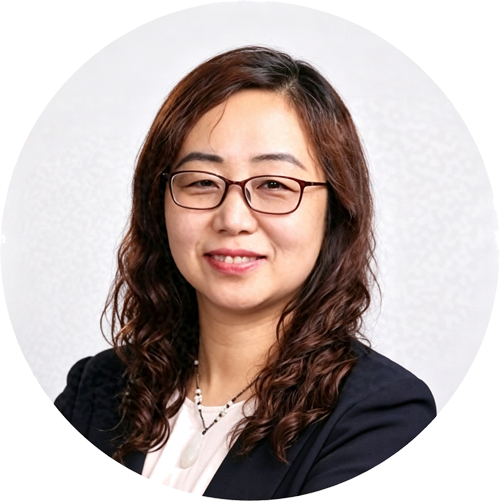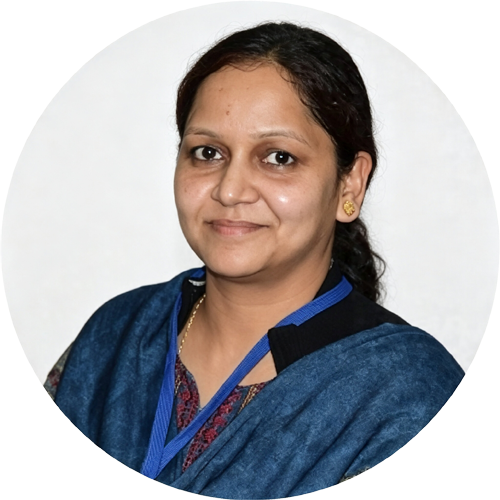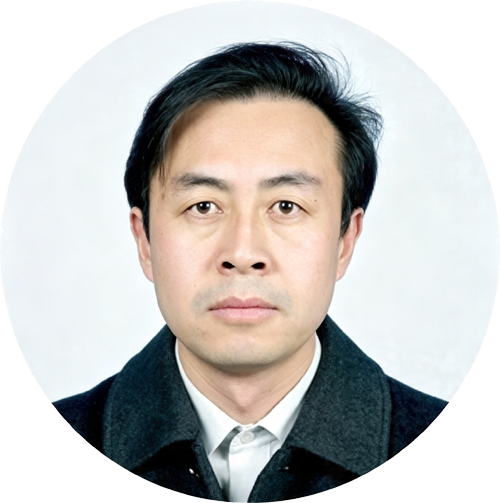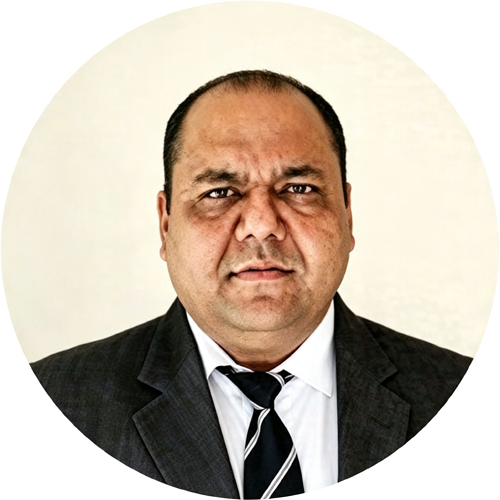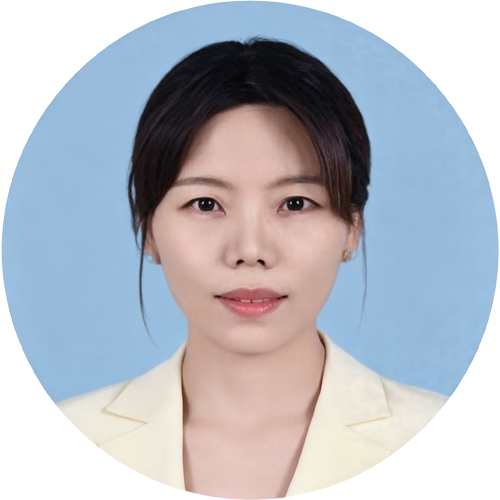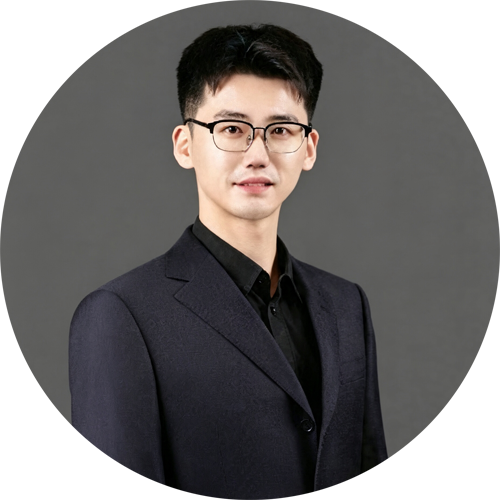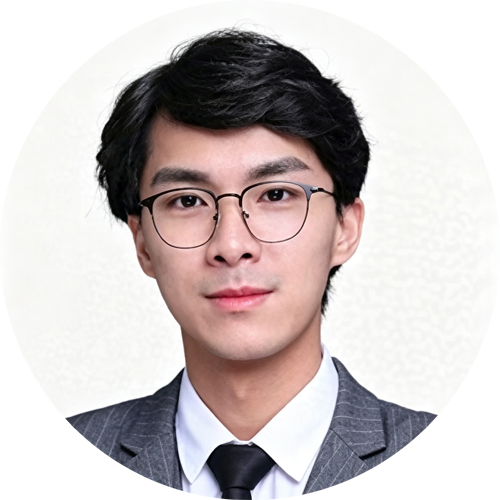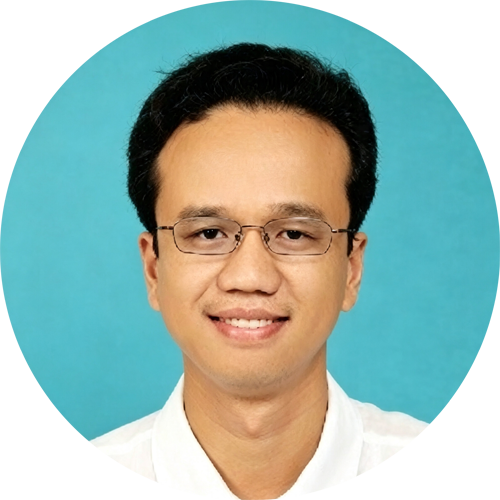

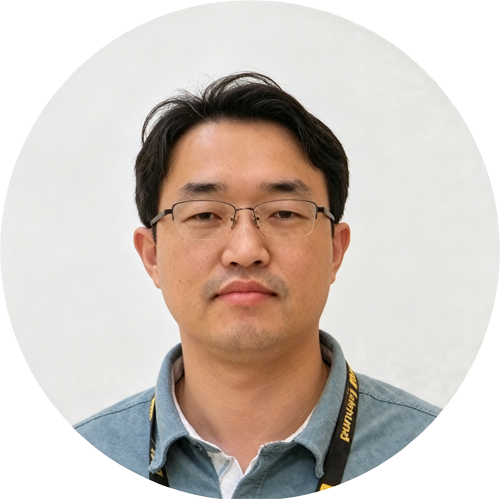
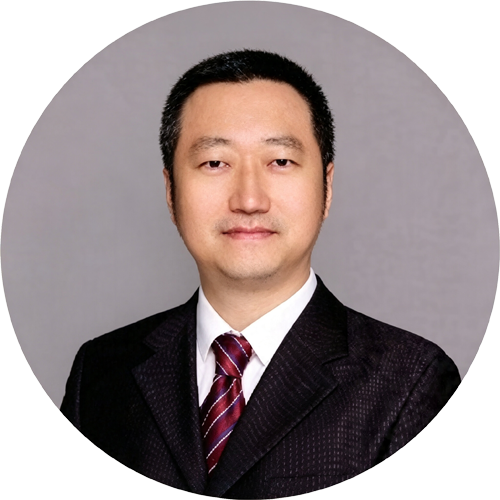
Prof. Xibin Jia, Beijing University of Technology, China
Speech Title: Clinically Oriented Medical Image
Analysis
Abstract: Medical imaging plays a fundamental role in
modern clinical practice, supporting disease screening, diagnosis,
and treatment planning across diverse modalities such as X-ray, MRIs,
and CT. Despite significant advances in medical image analysis, two
major challenges remain: poor generalization across different
clinical environments and a heavy reliance on large-scale annotated
datasets. In this talk, I will present our recent work on clinically
oriented medical image analysis, focusing on improving model
robustness and data efficiency. Specifically, we explore domain
generalization, aiming to develop models that can generalize
effectively to unseen hospitals or imaging conditions without
accessing target-domain data. In addition, we investigate learning
with limited annotations, including semi-supervised and few-shot
learning approaches, as well as vision–language pre-training, to
reduce dependence on costly expert annotations while maintaining high
performance.We further introduce our efforts in leveraging emerging
architectures, such as Mamba, to capture long-range dependencies
while enabling effective local modeling. Finally, we briefly extend
our research to causal modeling for complex tasks such as long-term
action recognition. Overall, this work aims to bridge the gap between
methodological advances and real-world clinical applicability,
enabling more effective and efficient medical image analysis.
Biography: Xibin Jia a Professor of College of Computer science at the Beijing University of Technology and Beijing Institute of Artificial Intelligence. She received her Ph.D. in Computer Application Technology from Beijing University of Technology in 2007. She was a one-year visiting scholar at University of California Riverside U.S. and a half-year visiting scholar at Flinders University Australia respectively. She has nearly 30 years of experience in computer science teaching and research. She is a Ph.D. and M.S. supervisor. Her research interests include computer vision, deep representation learning, and multi-modality deep learning. Her current work focuses on Intelligent Medical Image Analysis and Diagnosis, Affective Computing, and behavior recognition. She has served as Principal Investigator (PI) or co-PI on dozens of projects supported by grants from the National Natural Science Foundation of China, the Beijing Natural Science Foundation, and others. She has published dozens of papers in refereed journals and conference proceedings, including ACM MM 2025, MICCAI 2025, IEEE JBHI, ESWA, EAAI, and IEEE/ACM-TCBB. She is a Distinguished Member of CCF and a member of several technical committees, including CCF-CV, CSIG-BVD, CSIG-MV, and CAAI-IM. She has served as an Area Editor and Editor for the SCI-indexed journal KSII-TIIS. Her papers was awarded the IEEE MedAI 2024 Best Paper Award.

Prof. Lu Leng, Nanchang Hangkong University, China
Biography: LU LENG received his Ph.D degree from Southwest Jiaotong University, Chengdu, P. R. China, in 2012. He performed his postdoctoral research at Yonsei University, Seoul, South Korea, and Nanjing University of Aeronautics and Astronautics, Nanjing, P. R. China. He was a visiting scholar at West Virginia University, USA, and Yonsei University, South Korea. Currently, he is a full professor, the dean of Institute of Computer Vision, the office director of Jiangxi Provincial Key Laboratory of Image Processing and Pattern Recognition at Nanchang Hangkong University.
Prof. Leng has published more than 150 international journal and conference papers, including more than 80 SCI papers and three highly cited papers. He has been granted several scholarships and funding projects, including six projects supported by National Natural Science Foundation of China (NSFC). He serves as a reviewer of more than 100 international journals and conferences. His research interests include computer vision, biometric template protection, biometric recognition, medical image processing, data hiding, etc.
Prof. Leng was selected as one of the "World's Top 2% Scientists" four times, and awarded Jiangxi Youth May-4th Medal. He is an outstanding representative of "Innovation Talent" of Jiangxi Enterprise in "Science and Technology China", "Jiangxi Hundred-Thousand-Ten-thousand Talent Project", and "Jiangxi Voyage Project".

Prof. Seokwon Yeom, Daegu University Gyeongsan, Korea
Speech Title: Localization of drones with velocity
fusion based on optimal windows
Abstract: Vision-based
localization of drones is very challenging when GNSS signals are
unavailable. In this speech, vision-only localization of flying
drones with velocity fusion based on optimal windows is presented.
Multiple optimal windows are derived from a piecewise linear segment
model of an image-to-real world conversion function. The optimal
window is used as a fixed region template to estimate the
instantaneous velocity of the drone. The multiple velocities obtained
from multiple optimal windows are integrated by a hybrid fusion rule.
In the experiments, a drone performed several short and medium-range
flights in rural and urban areas. The flight maneuvers include
forward-backward, zigzags, and banked turns. Performance was
evaluated by root mean squared error and drift error calculated from
the GNSS-derived ground-truth trajectories. This video stream-based
method has been shown to achieve flight errors ranging from a few
meters to tens of meters.
Biography: Seokwon Yeom has been a faculty member of Daegu University since 2007. He has a Ph.D. in Electrical and Computer Engineering from the University of Connecticut in 2006.
He has been a guest editor of Applied Sciences and Drones in MDPI since 2019. He has served as a board member of the Korean Institute of Intelligent Systems since 2016, and a member of the board of directors of the Korean Institute of Convergence Signal Processing since 2014. He has been program chair of several international conferences. He was a vice director of the AI homecare center and a head of the department of IT convergence engineering at Daegu University in 2020-2023, a visiting scholar at the University of Maryland in 2014, and a director of the Gyeongbuk techno-park specialization center in 2013. He has been a keynote or invited speaker at several international conferences. His research interests are intelligent image and optical information processing, deep and machine learning, target tracking, and state estimation of drones.
Prof. Suraiya Jabin, Jamia Millia Islamia, India
Biography: Dr. Suraiya Jabin is a Professor of Computer Science in Jamia Millia Islamia, central university in New Delhi, India. She has more than 23 years of experience in computer science teaching and research. Her research interests include Artificial Intelligence in Healthcare, Behavioural Biometrics, Smartphone signature biometrics, social media analysis, and computational biology. Her current work focuses on providing AI and deep learning-based solutions to problems in postgenomic biology. She has taught courses on machine learning, AI, digital image processing, deep learning, advanced DBMS, Compiler Design, Discrete Mathematics, etc. to Masters and UG, and Pre-PhD courses during her teaching career of 23 years.
She has contributed over 70 research articles in journals, conference proceedings, and book chapters, books, including 15 papers in SCIE/Scopus indexed journals, and 2 books on Machine Learning with Wiley India publisher. She owns an Indian patent titled “Mobile-Biometric Signature based Authentication System” dated Feb 2017, and 2 patents are under progress. She was PI for the departmental infrastructural grant Bioinformatics Infrastructure Facility Center funded by DBT, GoI for 8 years from 2012 to 2020. She successfully supervised 8 Ph.D. scholars, and currently, supervising 5 Ph.D. scholars working on various problems such as disease outbreak prediction using social media, crowd monitoring using deep learning, and Mental Task classification using EEG data, etc. She is a member of several professional bodies including ACM Professional Member since Feb 2024 (in recognition of her reviewer assignments for ACM journals), and a life member of Indian Society for Technical Education (ISTE) since 2005. She is an editorial board member of prestigious journals Nature Scientific Reports, Frontiers in Computer Science, IGI Global, etc. She is an active reviewer for various journals of IEEE, ACM, Springer, iScience, InderScience, Taylor & Francis, Sage, etc. Along with teaching & research, she has been serving several administrative responsibilities such as Teacher Placement Coordinator, UG/PG Curriculum Design Coordinator in the present, and non-resident warden, assistant proctor, etc. in the past in JMI.

Prof. Xiwen Zhang, Beijing Language and Culture University, China
Biography: Professor, Doctoral Supervisor, Beijing Language and Culture University
Biography: XiWen Zhang is currently a full professor of Digital Media Department, School of Information Science, Beijing Language and Culture University.
Prof. Zhang worked as an associated professor from 2002 to 2007 at the Human-computer interaction Laboratory, Institute of Software, Chinese Academy of Sciences. From 2005 to 2006 he was a Post doctor advised by Prof. Michael R. Lyu in the Department of Computer Science and Engineering, the Chinese University of Hong Kong. From 2000 to 2002 he was a Post doctor advised by Prof. ShiJie Cai in the Computer Science and Technology department, Nanjing University.
Prof. Zhang's research interests include pattern recognition, computer vision, and human-computer interaction, as well as their applications in digital image, video, and ink. Prof. Zhang has published over 60 refereed journal and conference papers. His SCI papers are published in Pattern Recognition, IEEE Transactions on Systems Man and Cybernetics B, Computer-Aided Design. He has published more than twenty EI papers.
Prof. Zhang received his B.E. in Chemical equipment and machinery from Fushun Petroleum Institute (became Liaoning Shihua University since 2002) in 1995, and his Ph.D. advised by Prof. ZongYing Ou in Mechanical manufacturing and automation from Dalian University of Technology in 2000.

Prof. Dinesh Goyal, Poornima Institute of Engineering & Technology, India
Biography:Dr. Dinesh Goyal, is an Professor in Computer Science & Engineering and is currently designated as Principal and Director at Poornima Institute of Engineering & Technology (PIET), Jaipur, with over 25 years of experience in teaching, research, and administration. He holds B.E, M.Tech, and Ph.D. degrees in Computer Science & Engineering. Dr. Goyal’s research interests include Cloud Security, Image Processing, Data Analytics, and Information Security, he has been pivotal in many turnkey projects & research and development activities. He has been pivotal in establishing advanced research labs—such as AICTE-sponsored IDEA Lab and Deep Learning Lab. He has been invited speaker and conference chair in various conferences organized globally in countries like China, Japan etc. His career includes successful organization of conferences, workshops, and faculty development programs, and he is an empanelled assessor for NAAC since 2021, contributing nationally to academic quality improvement. He has also received Grants-in-Aid for Research, Development, Conference & workshops, amounting more than Rs. 81 Lakh, from agencies like AICTE, TEQIP, ISTE etc, that include Combined Research Project, MODROBS, AICTE-IDEA Lab Dr. Goyal has published extensively and is known for driving innovation and outcome-based education in higher technical education. He has also completed his CMI level 5 Award in “Management and Leadership”, under AICTE-UKIERI Technical Leadership Development Program in association with Dudley University, United Kingdom. He has 36 Full patents published 2 Granted & 1 Copyright under his name. He has successfully published 16 edited books with big publishing giants like Springer, Wiley, IGI Global, Apple Academic Press, Taylor & Francis and Eureka. He has published 5 SCI & 116 Scopus and 52 Web of Science indexed papers & is editor of 2 SCI & 5 Scopus Indexed Journals, special issues. He has also attended more than 25 International Conferences & has been invited speaker for more than 15 Conferences & Seminars. He is Senior Member of IEEE, life member of ISC, CSI, IETE & ISTE and fellow member of ACM.

Assoc. Prof. Xiaolong Hu, Zhejiang University, China
Speech Title: LiDAR Imaging with High-Performance
Fractal Superconducting Nanowire Single-Photon Detectors
Abstract: Traditional superconducting nanowire single-photon
detectors (SNSPDs) with meander-nanowire structures can efficiently
detect single photons in specific states of polarization while
offering excellent timing performance and ultra-low dark count rates,
making them widely used in quantum and classical faint-light
detection. However, enabling SNSPDs to efficiently detect photons in
arbitrary states of polarization while maintaining their other
superior performance remains a challenge. To address this issue, we
proposed the fractal SNSPDs capable of efficiently detecting incident
photons in arbitrary states of polarization and developed: (1) a
fractal SNSPD system coupled with single-mode fiber, featuring
plug-and-play operation, achieving a system detection efficiency
(SDE) of 91% for arbitrary polarization states at a wavelength of
1540 nm; (2) an 8-channel fractal SNSPD system operating in the
930–940 nm band, with an average SDE of 90% for arbitrary
polarization states across the eight channels and a maximum SDE of
96% in the channel with the highest detection efficiency; (3) a
fractal SNSPD with a large photosensitive area, coupled with a 50-μm
core-diameter multimode fiber, achieving an SDE of 78% for arbitrary
polarization states at a wavelength of 1530 nm. Using fractal SNSPDs,
we demonstrated the following applications: (1) photon time-of-flight
(ToF) LiDAR imaging, (2) full-Stokes LiDAR imaging, (3)
non-line-of-sight imaging, (4) high-precision dual-comb ranging, and
(5) three-dimensional single-pixel imaging.
Biography:
Dr. Xiaolong Hu is a tenured associate professor at the College of
Information and Electronic Engineering, Zhejiang University. His
research focuses on micro- and nano- optoelectronic devices and
quantum photonic devices, and he has achieved a series of research
results in the field of SNSPDs: (1) He proposed waveguide-integrated
SNSPDs, which has now become the mainstream device structure for
SNSPDs on integrated quantum optical chips; (2) He revealed two
mechanisms of device timing jitter of SNSPDs and developed the device
physics of SNSPDs; (3) He proposed and developed fractal SNSPDs with
high system detection efficiency and low timing jitter for incident
photons in all states of polarization, and developed practical
systems that are fiber-coupled and plug-and-play; (4) He applied the
fractal SNSPDs to dual-comb precision ranging, full-Stokes lidar
imaging, infrared non-line-of-sight imaging, and three-dimensional
single-pixel imaging. The fractal SNSPD systems have been used in
many institutions such as Peking University, Tsinghua University,
Zhejiang University, Sun Yat-sen University, Wuhan University of
Technology, and Songshan Lake Materials Laboratory. The research
results have been published in journals such as Nature, Nature
Photonics, and Nature Nanotechnology. The fractal SNSPDs have
received medium coverage from Nature Photonics (News & Views), the
Optica, IEEE Photonics Society, IEEE Spectrum, and Science and
Technology Daily; the fractal SNSPDs have won the golden medal at the
28th National Invention Exhibition, the first-grade prize of the
Invention and Entrepreneurship Award of the China Association of
Inventions, the gold medal at the 50th Geneva International Invention
Exhibition, and a nomination for the Chip 10 Science Award in 2024.
Dr. Hu is now serving as an associate editor of Optics Express.

Senior Lecturer Anwaar Ulhaq, Central Queensland University, Australia
Speech Title: From Artificial to Real Intelligence
Abstract: Artificial intelligence can recognise patterns and learn
from data, but it still lacks the flexibility and efficiency seen in
biological systems. This talk explores how real intelligence can be
understood by studying living neural structures. I will present recent
work on brain organoids, neural imaging, and computational modelling,
including our research on organoid mitosis analysis using computer
vision. These studies show how biological systems organise, adapt, and
learn in ways that current algorithms do not. By combining ideas from
neuroscience, imaging, and machine learning, we can design models that
are more robust and closer to real intelligence. The talk also outlines
future research directions connecting computer vision, brain science,
and neuromorphic computing.
Biography: Dr Anwaar Ulhaq is a
Senior Lecturer in Artificial Intelligence at Central Queensland
University's Sydney Campus, Australia. He holds a PhD in Artificial
Intelligence from Monash University, Australia; a Graduate Certificate
in Machine Learning and Artificial Intelligence from Massachusetts
Institute of Technology, USA; and a professional certificate in Business
Analytics from Harvard Business School. Additionally, he completed the
Oxford Executive Leadership Program at the University of Oxford's Said
Business School. He is the current President of the Australian Pattern
Recognition Society and is a member of the Australian Academy of
Sciences, the Australian Computer Society, and IEEE Signal Processing.
With a diverse academic background, Dr Ulhaq has contributed
significantly to the field of computer vision, serving as the General
Chair of DICTA 2023, a major Australian computer vision conference. He
is an associate editor of IEEE Transactions on Image Processing (TIP).
He has published over 100 peer-reviewed journal and conference papers,
received teaching and research excellence awards, and secured
approximately $3.15 million in research funding as a principal
investigator and co-investigator. Dr Ulhaq's research interests span
computer vision, image and signal processing, responsible AI, and remote
sensing, and his work has been featured in national and international
media more than 30 times, underscoring the relevance and significance of
his contributions.

Assoc. Prof. Ts. Dr. Mas Rina Mustaffa, Universiti Putra Malaysia, Malaysia
Speech Title: From Fabric Patterns to Garment
Visualisation Using Image Processing and Generative Modelling
Abstract: A considerable number of individuals rely on visual
representation when making design-related decisions, creating a need for
tools that can effectively preview how selected fabrics will appear when
formed into garments. This study proposes a computational framework
grounded in image processing and generative modelling to simulate the
transformation of fabric patterns into traditional attire, with a focus
on structured garment visualisation. The approach utilises binary
silhouette mapping combined with morphological image processing
techniques, including erosion and dilation, to generate refined
two-dimensional garment representations. To enhance realism and allow
flexible customisation, a diffusion-based inpainting model is
incorporated to produce visually coherent and context-aware fabric
patterns. The framework is implemented within a mobile-based prototype,
enabling users to interactively apply and adjust fabric designs in near
real time. Evaluation results indicate that the system performs
effectively in terms of usability, functional capability, and user
satisfaction. Overall, the proposed framework demonstrates the potential
of integrating image processing techniques with generative modelling for
practical garment visualisation, supporting more informed
decision-making and improving the overall fabric selection experience.
Biography: Assoc.
Prof. Ts. Dr. Mas Rina Mustaffa is an Associate Professor at the
Multimedia Department, Faculty of Computer Science and Information
Technology, Universiti Putra Malaysia (UPM), and a registered
Professional Technologist (Ts.). She received her PhD in Multimedia
Systems from Universiti Putra Malaysia in 2012. A Senior Member of IEEE,
she specializes in computer vision, multimedia analytics, pattern
recognition, and multimedia information retrieval, with a focus on
AI-driven solutions for education, agriculture, and intelligent systems.
She has led and collaborated on major national and international
projects, including Malaysia’s FRGS grants and the European Union’s
Horizon 2020 ULTRACEPT initiative, and recently completed a research
secondment at the University of Leicester, UK (2024). Dr. Mas Rina has
published extensively in high-impact journals and international
conferences (IEEE, ACM, Springer) and is a recipient of multiple Best
Paper and Presentation Awards. She is Editor-in-Chief of the Journal of
Intelligent Media Computing, Vice President of PECAMP Malaysia
(2025–2027), and currently serves as Publication Chair and Track Chair
for several international conferences, advancing global research in
intelligent multimedia representation and retrieval.

Assoc. Prof. Syed Farooq Ali, University of Management & Technology, Pakistan
Speech Title: A boosting framework for human posture
recognition using spatio-temporal features along with radon transform
Abstract: Automatic human posture recognition in surveillance videos
has real world applications in monitoring old-homes, restoration
centers, hospitals, disability, and child-care centers. It also has
applications in other areas such as security and surveillance, sports,
and abnormal activity recognition. Human posture recognition is a
challenging problem due to occlusion, background clutter, illumination
variations, camouflage, and noise in the captured video signal. In the
current study, which is an extension of our previous work (Ali et al.
Sensors, 18(6):1918, 2018), we propose a novel combination of a number
of spatio-temporal features computed over human blobs in a temporal
window. These features include aspect ratios, shape descriptors,
geometric centroids, ellipse axes ratio, silhouette angles, and
silhouette speed. In addition to these features, we also exploit the
radon transform to get better shape based analysis. In order to obtain
improved posture classification accuracy, we used J48 classifier under a
boosting framework by employing the AdaBoost algorithm. The proposed
algorithm is compared with eighteen existing state-of-the-art approaches
on four publicly available datasets including MCF, UR Fall detection,
KARD, and NUCLA. Our results demonstrate the excellent performance of
the proposed algorithm compared to these existing methods.
Biography: Dr.
Syed Farooq Ali has around 18+ years of teaching and research
experience. His areas of specialization include Computer Vision, Digital
Image Processing, Medical Imaging, and Image & Video Coding. He did his
BS from NUCES- FAST, Lahore, and later earned an MS degree from LUMS
with Dean’s Honor List and 4th position out of a batch of around 130
graduate students. During his stay in MS, he was on a LUMS fellowship.
He also completed his MS from Ohio State University, (Col.), USA.
Moreover, he passed the Ph.D. Comprehensive Exam (Qualifier Exam) from
Ohio State University, Col. USA. Later, he transferred his Ph.D. from
Ohio State University USA to UMT and completed it.
During his
graduate studies at LUMS and Ohio State University, he studied a total
of 34 courses. Out of these, he studied ten courses related to his depth
area (area of interest) that included Computer Vision, Medical Imaging,
Image and Video Coding, Digital Image Processing, Artificial
Intelligence, Pattern Recognition, Machine Learning, Computer Graphics,
Signals and Systems, and Data Mining.
Currently, he is Associate
Professor and Chair Vision and Image Processing Research Group at UMT.
He also served two times as a Director Projects. Dr. Ali has around 39
publications including 23 journals, a book chapter, and 15 international
conference papers. Dr. Ali is also a reviewer of many international
conferences and journals. He also won 8 Fundings from National
Grassroots ICT Research Initiative (NGIRI) for Final Year Projects.

Senior Lecturer Philippe Durand, Conservatoire National des Arts et Métiers, France
Speech Title: Morphological and Topological Methods for Urban Extraction from Noisy Radar Imagery: Application to the City of Le Luc (France)
Abstract: This invited lecture presents a complete mathematical framework for extracting urban structures—built-up areas, residential blocks, and transport networks— from highly noisy radar imagery acquired over the city of Le Luc in South-Eastern France. Radar images of semi-urban environments are complex to interpret due to speckle noise, non-Gaussian backscatter distributions, and the multiple scattering mechanisms generated by buildings and roads. Our goal is to derive a coherent representation of the urban fabric comparable to the structures visible in the optical aerial photograph, while relying exclusively on the raw radar acquisition.
We develop an integrated approach combining two mathematical paradigms: (1) Mathematical Morphology, including Alternating Sequential Filters, granulometry, directional openings, and morphological skeletonization; and (2) Topological Data Analysis (TDA), based on persistent homology, H0–H1 generators, and Wasserstein distances. Morphology provides a multi-scale geometric description, capable of reducing speckle and isolating coherent radar responses associated with buildings and road segments. TDA offers complementary information on the global structure of urban textures, revealing stable topological patterns (loops, cavities, block organisation) which remain robust under noise and local fluctuations.
Applied to the Le Luc dataset, the combined methodology enables the recovery of major urban zones (historical nuclei VN1, VN2, VN3), pavillonnaire housing areas, dense HLM blocks, and the main transport axes (highway, major roads, railway). The morphological segmentation is strongly supported by the TDA signatures: urban regions exhibit a rich distribution of persistent H1 generators, while background areas show simple connectivity profiles dominated by H0 components.
This talk highlights the synergy between geometry and topology for radar image analysis, demonstrating that the fusion of morphological filtering with TDA produces a robust, interpretable, and noise-tolerant pipeline for urban structure extraction, even under severe speckle conditions. Perspectives include extensions to multi-temporal radar sequences, polarimetric acquisitions, and integration into near-real-time environmental monitoring systems.
Biography: Philippe Durand is Senior Lecturer in the Mathematics and Statistics Department of the National Conservatory of Arts and Crafts in the Mathematical and Numerical Modeling Department (M2N), he works on the interaction between mathematical engineering and the theoretical tools of mathematics including usage has been increasing since the introduction of modern mathematics in the early sixties. He is interested in the mathematization of gauge theories in physics and string theory, he also works on tensor analysis applied to networks as well as the application of topological and statistical methods to image processing. In image processing, he used remote sensing images and especially radar images, he invested different methods of pattern recognition, and in particular the tools of mathematical morphology for the extraction of texture information. Currently I am focusing on the use of topological data analysis and different approaches to applying classical or quantum neural networks to image processing. He published his results in various journals of math-ematical engineering, and various proceedings of image processing conferences. Philippe Durand is assistant professor in Department of Mathematics (mod´elisation math´ematique et num´erique), Conservatoire National des Arts et M´etiers, 292 rue Saint Martin, 75141 Paris, FRANCE, (e-mail: philippe.durand@lecnam.net).

Asst. Prof. Zhennong Chen, Xi'an Jiaotong-Liverpool University, China
Biography: Dr. Zhennong Chen is an Assistant Professor at the School of Artificial Intelligence and Advanced Computing (AIAC), Xi’an Jiaotong-Liverpool University. He received both his Ph.D. and Bachelor’s degree in Bioengineering from the University of California, San Diego, and subsequently worked as a Postdoctoral Research Fellow at Harvard Medical School and Massachusetts General Hospital. Dr. Chen’s research focuses on developing innovative AI methods for medical imaging, with particular emphasis on computed tomography (CT) and cardiovascular imaging. He has received the Trainee Research Prize at RSNA and the Best All-Conference Paper Finalist at SPIE Conference.

Asst. Prof. Zhi Lu, Tsinghua University, China
Speech Title: Leveraging spatial-angular redundancy for self-supervised denoising of 3D fluorescence imaging without temporal dependency
Abstract: Photon noise is a major bottleneck for extracting reliable biological information from fluorescence microscopy, especially when imaging fast and volumetric biological dynamics. However, most existing self-supervised denoising strategies depend on repeated measurements in time or strong spatial assumptions, which inevitably reduce temporal or spatial fidelity. Here we introduce LF-denoising, a transformer-based framework that exploits the rich spatial–angular redundancy encoded in light field measurements, enabling accurate denoising without requiring temporal repetition. Across simulations and diverse intravital experiments, LF-denoising robustly improves 3D imaging quality under extremely low excitation power, and generalizes across species including zebrafish, Drosophila and mice. By preserving the true temporal evolution of biological processes while substantially reducing noise, LF-denoising opens a path toward more reliable and accessible high-speed 3D imaging for quantitative biology, with broad applications.
Biography: Dr. Zhi Lu is currently an Assistant Professor at Tsinghua University. He received the B.S. and Ph.D. degrees in Control Science and Engineering from Tsinghua University, Beijing, China, in 2018 and 2023, followed by postdoctoral research from 2023 to 2025. His research interests include computational imaging and intelligent microscopy. In recent years, He has published papers in journals including Cell, Nature Methods, Nature Biotechnology, Nature Protocols and Nature Communications, with over twenty granted patents. He is honorably on Forbes China 30 Under 30 List (2023), and supported the National Postdoctoral Program for Innovative Talents (2023) and by the Young Top-notch Talent of National High-Level Talent Special Support Program (2024). Additionally, he received SAIL awards at the World Artificial Intelligence Conference (2022, 2024), the Dimitris N. Chorafas Prize (2024), Best Paper Award in Computational Optics at IBCS (2023), and the Award in Ten Advances for Optics in China (2022).

Dr. Loc Nguyen, Sunflower Soft Company, Vietnam
Speech Title: Is matrix neural network the alternative of convolutional neural network?
Abstract: Currently, deep learning is the most important and popular methodology in artificial intelligence (AI) and artificial neural network (ANN) is the foundation of deep learning. The main drawback of ANN is the boom problem of a huge number of parametric weights when ANN in deep learning establishes a large number of hidden layers. The excellent solution for image processing within context of deep learning is convolutional neural network (CNN) equipped filtering kernel. Another solution of the boom problem is that large parametric weight vector is organized as matrix, which leads to a so-called matrix neural network (MNN). Computation cost of MNN is decreased significantly in comparison with ANN but it is necessary to test the main hypothesis “whether MNN is the alternative of CNN”. Moreover, transformer which is the new trend in AI and deep learning, which aims to improve/replace traditional ANN by self-supervised learning, in which attention is the significant mechanism of self-supervised learning. Therefore, the implicit deep meanings of attention and filtering kernel are similar, which represents feature of data, which does not go beyond parametric weights too. In general, the research has two goals: 1) explaining and implementing ANN, CNN, and transformer (attention) and 2) applying analysis of variance (ANOVA) into evaluating the effectiveness of ANN, CNN, and transformer (attention) within context of image classification. The ultimate result is that it is not asserted that MNN is the alternative of CNN but MNN can be an optional choice for implementing ANN instead of focusing on the unique CNN solution. Moreover, the incorporation of MNN and attention in implementing transformer produces a compromising solution of high performance and computational cost.
Biography: Loc Nguyen is an independent scholar from 2017. He holds Master degree in Computer Science from University of Science, Vietnam in 2005. He holds PhD degree in Computer Science and Education at Ho Chi Minh University of Science in 2009. His PhD dissertation was honored by World Engineering Education Forum (WEEF) and awarded by Standard Scientific Research and Essays as excellent PhD dissertation in 2014. He holds Postdoctoral degree in Computer Science from 2013, certified by Institute for Systems and Technologies of Information, Control and Communication (INSTICC) by 2015. Now he is interested in poetry, computer science, statistics, mathematics, education, and medicine. He serves as reviewer, editor, speaker, and lecturer in a wide range of international journals and conferences from 2014. He is volunteer of Statistics Without Borders from 2015. He was granted as Mathematician by London Mathematical Society for Postdoctoral research in Mathematics from 2016. He is awarded as Professor by Scientific Advances and Science Publishing Group from 2016. He was awarded Doctorate of Statistical Medicine by Ho Chi Minh City Society for Reproductive Medicine (HOSREM) from 2016. He was awarded and glorified as contributive scientist by International Cross-cultural Exchange and Professional Development-Thailand (ICEPD-Thailand) from 2021 and by Eudoxia Research University USA (ERU) and Eudoxia Research Centre India (ERC) from 2022. He has published 101 papers and preprints in journals, books, conference proceedings, and preprint services. He is author of 5 scientific books. He is author and creator of 10 scientific and technological products.
![]() |
![]() |
![]() |
![]() |
|---|---|---|---|
| Philippe Durand | Yanglong Lu | Sergii Khlamov | Abhishek Shukla |
| Conservatoire National des Arts et Métiers, France | The Hong Kong University of Science and Technology, Hong Kong, China | Kharkiv National University of Radio Electornics, Ukraine | Syracuse University, NY, USA |